In case of damage or loss of teeth, gingiva and surrounding tissues due to their different sizes, an individual examination of the implanted tooth. Thus, the person regains the teeth, which is considered the beginning of his growth, and regains a healthy jaw function. Prosthetic teeth, which also ensure the improvement of speech and the group’s aesthetic appearance, and life care that replaces the bone. Specially produced dental prostheses also help as artificial teeth that can be fixed in the mouth or easily attached to the mouth.

Dentures
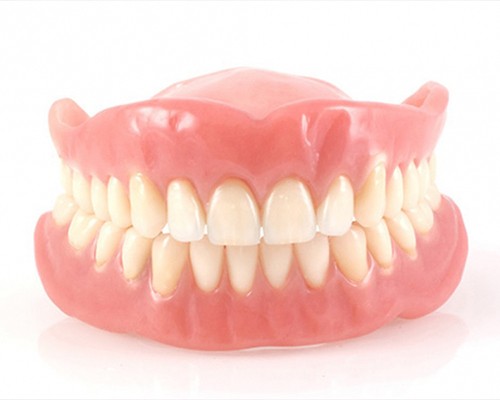
What is a prosthetic tooth?
A dental prosthesis that replaces lost teeth is custom-made. The dental prosthesis, which is produced in line with the personal needs of the patient, should fit the person’s mouth perfectly, look natural and have an easy-to-use feature. Dental prosthesis can be used to replace one or a few lost teeth, or it can be used to replace all teeth. However, in dental prosthesis applications, the protection of the existing teeth in the patient’s mouth is at the forefront. Dental prosthesis is produced in the most suitable tones for the bone color of the person. Thus, the person’s prosthetic tooth color has a natural appearance. The main purpose of dental prosthesis application is to regain the lost chewing function of the person. With the recovery of the chewing efficiency of the person, the quality of life is also increased. In addition to all these, the psychological effects of broken, discolored or deformed teeth are also eliminated.
What are the types of prosthetic teeth?
Teeth, which are an important part of the digestive system, are extremely important for human health. Dental prostheses, which should be the last choice in dental treatment, are mostly applied in cases that cause tooth loss such as tooth decay, tooth fracture or insufficient filling. In other words, if the existing discomfort in the tooth cannot be corrected with the treatment applied, the person can benefit from dental prosthesis treatment. In the prosthesis application, it is essential to protect the existing healthy teeth of the person. In general, there are two different types of dental prostheses, fixed and removable:
Fixed dental prosthesis
Fixed dental prostheses applied by sticking into the mouth cannot be removed voluntarily. Fixed dental prosthesis, which is mostly applied to people with less tooth loss, is produced using the person’s own tooth. After the process, which starts with the reduction of the existing tooth by cutting, the existing tooth of the person is covered and then the prosthesis is mounted on it. It takes about 10 days to prepare and replace fixed prostheses, which can be produced from different materials, and during this time, the person has to go to the dentist 4 to 5 times. In order to apply fixed prostheses, which have different lifetimes depending on the material used, the tooth of the person is first reduced and then precision measurements are taken. The color of the dental prosthesis to be applied is decided together with the patient. At this point, the important thing is to apply the prosthesis that has the same tone as the existing teeth. In the next visit, the prosthesis prepared on the model is rehearsed. Then, the contact of the prepared tooth with other teeth and surrounding tissues is examined in detail. Then the dental prosthesis is rehearsed on the patient and if there is no discomfort, the prosthesis is fixed on the tooth. The residues of the adhesive are cleaned and the patient is informed in detail about the service life of the tooth and oral care. Chewing is more comfortable in fixed dentures. It contributes positively to one’s speech and appearance. Thanks to the developing dental prosthesis technology, zirconium and laminate restorations are frequently applied today:
Zirconium Restorations: Zirconium, a metal element with white tones, is the most preferred fixed dental prosthesis material today. While zirconium crown teeth provide functionality and aesthetics, they are also at the forefront with their durability. It can be processed in the desired color tone and light transmittance. Zirconium-coated dental prostheses, which can be applied to people with metal allergies, have a smooth and natural shine. It can be safely applied to teeth with enamel loss, prostheses on implants, tooth crowding or separation where orthodontic treatment is not possible.
Laminate Restorations: In the laminate restoration process, which is applied to the front of the tooth by sticking porcelain in the form of thin leaves, intervention to the teeth is extremely low. Laminate restoration, which can only be applied to the anterior teeth, can be applied for reasons such as covering the discoloration of the teeth, concealing the existing gaps, and correcting the appearance caused by the fracture.
Removable dental prosthesis
Removable dental prostheses, which can be defined as appliances that can replace missing teeth, can be inserted and removed by the patient himself. It is applied in cases where there are natural teeth but there is not enough support for fixed prosthesis. Support is taken from existing teeth and tissues during the application. There are 4 different types of removable prostheses:
Total Dentures: When the person has no teeth in his mouth, the preferred total prosthesis is applied to the lower and upper jaw separately and is supported by the existing bone tissue. Total dentures, also known as dentures, are mostly made of acrylic. It is very normal to feel foreignness in the mouth and fullness in the lips and cheeks when the total prosthesis, which is specially produced for the mouth size of the person, is first inserted. The lower prosthesis usually moves more than the upper prosthesis. Therefore, it may take longer to get used to the lower prosthesis. Depending on the stimulation of the secretory glands, there is an increase in the amount of saliva of the person in the first days.
Differentiation of speech is also perfectly normal. It is recommended to read aloud and repeat the words that are difficult to pronounce in order to shorten the period of getting used to the total prosthesis. Getting used to total dentures is usually 4 to 6 weeks.
Partial Dentures: Partial prosthesis, which is known as hooked dental prosthesis and can be applied in cases where some of the natural teeth are absent, can be attached and removed by the patient himself. Partial dentures, also known as partial dentures, provide functionality as well as aesthetic appearance when replaced with missing or missing teeth. Partial dentures are mostly produced from acrylic and one-piece casting. It is attached to the existing teeth with crochet wires. Precisely connected aesthetic prosthesis can be applied to hide the wire appearance.
Immediate Prostheses: Immediate prostheses, also known as temporary prostheses, are applied to relieve the aesthetic anxiety caused by the extraction of natural teeth. When the teeth are first pulled, swelling occurs in the oral tissues. It is necessary to wait for the normalization of these tissues before a permanent prosthesis is made. During this process, the patient’s permanent prostheses are also prepared. With the completion of the healing in the tissues, the immediate prostheses become incompatible with the mouth and permanent prostheses are applied to the person.
Implant Top Prostheses: The implant is a screw-like metal structure made of titanium alloy to the jawbone of the patient in cases of tooth loss. The implant, which acts as a tooth root, facilitates the attachment of the prosthesis on it, while increasing its durability. Implants can be made in order to increase the adhesion of the removable prosthesis in people who have no teeth. Thus, the final prosthesis of the person is attached to the implants in the jawbone, increasing the effectiveness of chewing and speaking functions.